
Choosing a Cryotherapy Machine for Wellness Center
A cryotherapy machine for wellness center use is not simply another premium amenity. It can become a defining part of the client experience: a focused reset after training, a restorative ritual between demanding days, and a visible signal that your space is built around a higher standard of wellness.
That potential also makes the purchase more complex than selecting a piece of fitness equipment. The right system must fit your facility, staffing model, member volume, safety protocols, and brand experience. A beautiful machine that creates operational friction will not deliver the return you expect. The best choice is one that feels refined for clients and practical for the people responsible for running it every day.
Start With the Experience You Want to Deliver
Before comparing temperatures, chamber styles, or technical specifications, define cryotherapy's role in your wellness center. A performance-focused facility may use it to complement strength training, mobility work, cold immersion, and recovery memberships. A luxury spa may position it as a short, energizing treatment within a broader ritual of sauna, red light therapy, massage, and relaxation. A private club may prioritize convenience, visual impact, and a consistently elevated member experience.
These distinctions matter. A high-volume recovery studio needs efficient session turnover and a workflow that staff can manage with confidence. A boutique wellness suite may place more value on a quiet, highly designed treatment environment. For a destination spa, the system must feel aligned with every other detail, from the changing area to the post-session lounge.
Cryotherapy is often associated with muscle recovery, temporary relief from post-exercise soreness, circulation support, energy, and a feeling of rejuvenation. Present those benefits responsibly. Individual experiences vary, and cryotherapy should complement a thoughtful wellness routine rather than be framed as a cure or replacement for medical care.
Choose the Right Cryotherapy System
The term cryotherapy can describe several equipment formats. Your decision should reflect both your service model and the level of involvement you want from staff.
Whole-Body Electric Cryotherapy Chambers
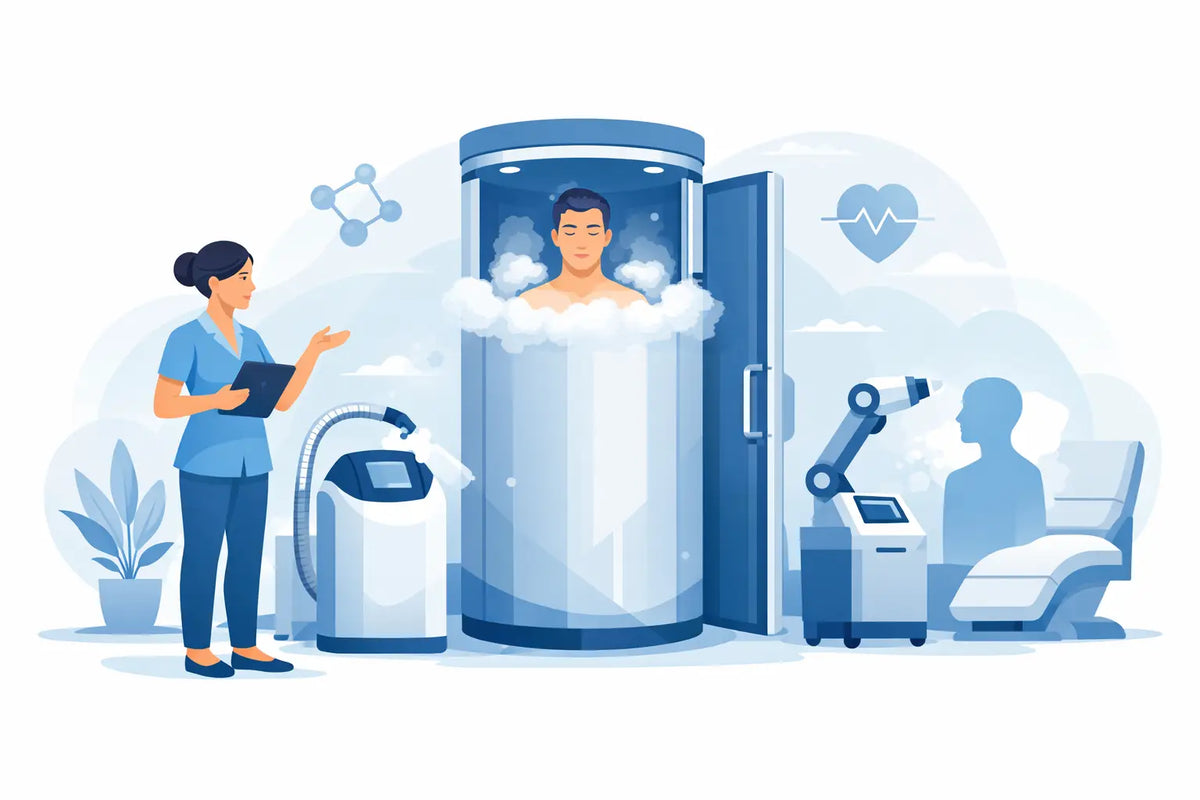
Electric whole-body chambers use refrigerated air to create a full-body cold exposure environment. They are often appealing to premium wellness centers because clients can remain fully enclosed, including the head, while staff can manage sessions through integrated controls and monitoring features.
For facilities that want a polished, technology-forward experience, an electric system can be a strong fit. It may also simplify certain indoor operational considerations because it does not rely on nitrogen delivery. The trade-off is that electric chambers can require meaningful electrical capacity, dedicated space, and attention to heat output, ventilation, and site preparation. They are a substantial infrastructure decision, not a plug-and-play accessory.
Nitrogen Cryotherapy Chambers
Nitrogen-powered systems are common in professional settings and can offer fast cooling with a smaller physical footprint than some electric units. Many designs leave the client's head outside the chamber, which changes the sensory experience and may appeal to clients who prefer a less enclosed session.
Nitrogen systems require disciplined operating procedures. Proper room ventilation, oxygen monitoring where appropriate, reliable gas supply arrangements, trained staff, and clear emergency protocols are central to a responsible installation. These are not minor details to address after delivery. They should shape the equipment decision from the start.
Localized Cryotherapy Devices
Localized systems direct cold air or other cooling modalities to targeted areas. They may suit sports-performance facilities, treatment-oriented practices, or centers that want to add cold therapy without dedicating space to a full-body chamber.
They typically support a different service model than whole-body cryotherapy. Rather than a signature, self-contained wellness experience, localized therapy can be integrated into a recovery appointment or paired with bodywork. It may be the right first investment for a smaller facility, but it will not create the same visual presence or membership draw as a full-body unit.
Plan the Room Before You Place an Order
A cryotherapy machine belongs in a carefully designed environment, not an unused corner of the facility. Begin with the manufacturer's exact footprint, required clearances, door swing, service access, ceiling height, and client entry path. Then consider how the room will work during a busy hour.
Clients need a comfortable place to prepare, store personal items, and receive clear guidance. Staff need room to supervise, clean the area, access controls, and respond quickly if a session needs to end. The pathway should feel private and composed, especially in a luxury setting where the experience begins before the session itself.
Electrical requirements deserve early attention. Confirm voltage, amperage, outlet type, and whether your existing panel can support the load. For nitrogen systems, plan for gas storage, delivery access, ventilation, and any local requirements that apply to your building and municipality. For all systems, account for flooring, drainage if specified, HVAC performance, and the ambient temperature of the room.
Do not overlook delivery logistics. Premium recovery equipment can be heavy, oversized, and crated. Measure loading docks, elevators, hallways, turns, and door openings well in advance. A successful installation is as much about site readiness as it is about the machine itself.
Safety Should Feel Built Into the Experience
Exceptional wellness spaces make safety feel calm, clear, and intentional. Clients should never feel rushed into a session or uncertain about what happens next. Establish a consistent screening process, explain contraindications, and require staff to follow manufacturer guidance and your facility's operating policies.
Your team should know how to set session parameters, supervise clients, stop a session, inspect equipment, and document any concerns. The exact level of supervision depends on the system and your operating model, but training should never be treated as a one-time event. Refresh procedures regularly, especially as you add new employees or increase session volume.
Clear client communication is equally valuable. Explain appropriate clothing and protective gear, set expectations about cold sensation, and encourage clients to speak up if they feel uncomfortable. For many first-time users, confident guidance turns an intimidating treatment into a memorable part of their routine.
Evaluate Throughput, Staffing, and Long-Term Value
The purchase price is only one part of the investment. A more useful question is how the cryotherapy system will perform across years of operation. Consider cycle time, average session duration, client preparation time, cleaning requirements, energy use, consumables, scheduled maintenance, warranty coverage, and service availability.
Throughput has a direct effect on revenue potential and member satisfaction. If sessions are short but preparation requires significant staff attention, the machine may be better suited to appointment-based service than walk-in access. If your center offers cryotherapy as part of a premium membership, think about peak-hour demand. A system that fits your projected usage now but creates a waitlist within six months may not be the most strategic choice.
Also consider how cryotherapy fits within your broader menu. It can be offered as a standalone session, a recovery add-on, or part of a curated contrast therapy circuit with sauna and cold plunge. Bundling can increase perceived value while giving clients a more complete ritual. The right approach depends on your clientele, staffing capacity, and available square footage.
Selecting a Cryotherapy Machine for a Wellness Center
A premium system should support the standards your clients already expect: thoughtful design, dependable performance, intuitive controls, and a sense that every detail has been considered. Ask direct questions before purchasing. What site preparation is required? Who handles installation support? What maintenance is expected? How quickly can service be arranged if the unit needs attention? What training is included for your team?
A trusted equipment partner should help you compare these practical realities, not just present attractive specifications. Corelux Wellness helps buyers evaluate professional-grade recovery equipment with attention to fit, setup, dimensions, and the long-term experience they want to create.
The strongest cryotherapy investment is the one that feels effortless to clients because the planning behind it was anything but. Choose a system that respects your space, supports your team, and gives every guest one more reason to return to the wellness sanctuary you are building.