
How Often Should Athletes Cold Plunge for Recovery?
A cold plunge can feel like a reset button after a hard training session: your breathing sharpens, tired legs feel lighter, and the rest of the day seems more manageable. But how often should athletes cold plunge without turning a smart recovery practice into a habit that works against a specific goal? For most athletes, two to four sessions per week is a productive starting point. The right frequency, however, depends on the demands of your training, the timing of your sessions, and whether your priority is endurance, competition readiness, strength, or general restoration.
Cold immersion is most valuable when it serves the larger training plan. It can help athletes manage soreness, feel more prepared for the next session, and establish a calming recovery ritual at home or in a performance facility. It is not a substitute for sleep, nutrition, mobility, or thoughtful programming. Used with intention, it earns its place in a higher standard of wellness.
How Often Should Athletes Cold Plunge?
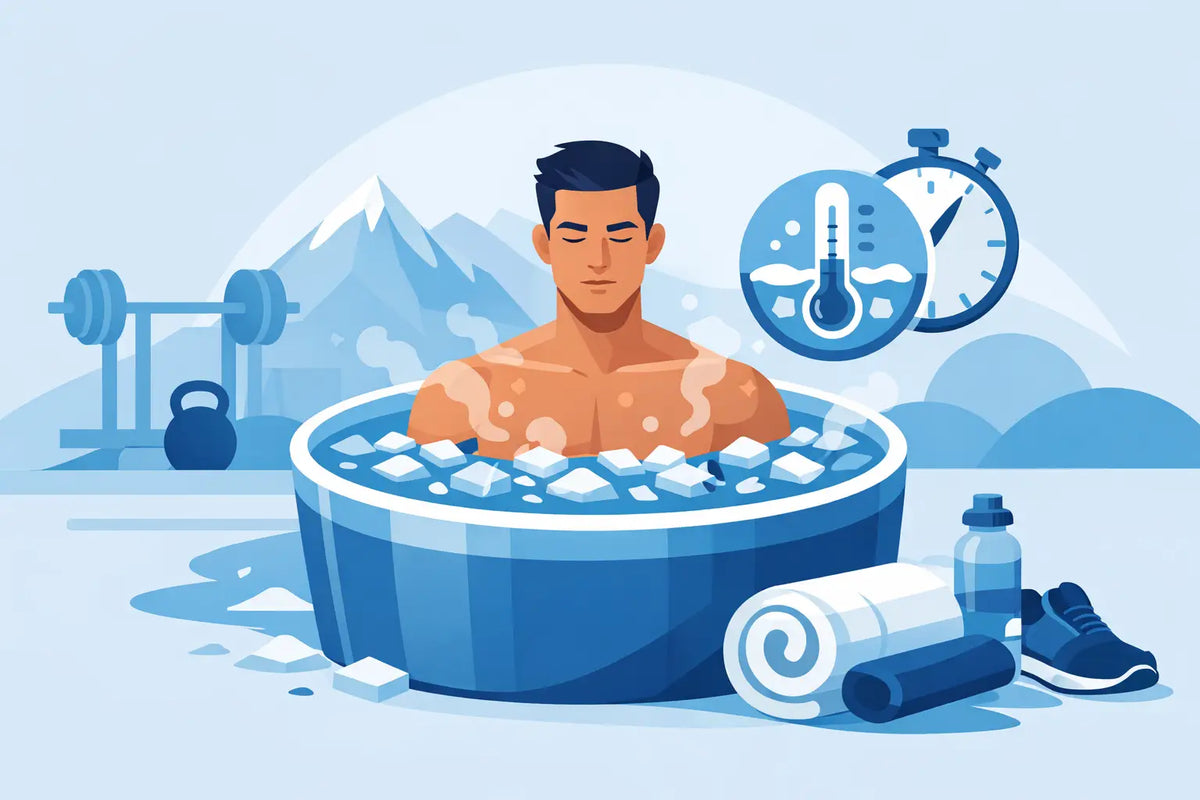
For an athlete training consistently but not competing in a dense schedule, two or three cold plunges each week is usually enough. This provides recovery support without making cold exposure an automatic response to every workout. A typical session lasts five to 10 minutes in water around 50 to 59 degrees Fahrenheit, though the ideal temperature and duration vary with experience, body size, tolerance, and the system being used.
During tournament weekends, multi-day races, intense training camps, or seasons with frequent games, some athletes may use cold water daily or even after back-to-back events. In this setting, the objective is not necessarily long-term adaptation. It is readiness: reducing the perception of soreness, settling down after competition, and helping the body feel prepared to perform again soon.
At the other end of the spectrum, a recreational athlete who trains three or four days a week may find that one or two sessions is plenty. More is not automatically better. The best cadence is the one that leaves you feeling restored, supports your consistency, and fits naturally into the life you want your recovery space to support.
Match Cold Exposure to Your Training Goal
The biggest distinction is between recovery for repeated performance and adaptation from strength training. Cold water can blunt some of the inflammation and signaling that follows resistance exercise. Those processes are part of how muscle and strength adaptations occur. If building muscle size or maximizing strength is your primary objective, avoid making an immediate post-lift plunge a daily ritual.
That does not mean strength athletes need to avoid cold immersion altogether. A plunge on a rest day, after a conditioning session, or several hours away from a heavy lifting workout can still fit well. Many lifters also reserve it for periods when soreness is unusually high, travel has disrupted recovery, or an upcoming event matters more than adding a small amount of training stimulus.
Endurance athletes, field-sport competitors, and athletes with compressed competition schedules often have more reason to use cold water immediately after demanding work. When tomorrow's practice, match, or race requires fresh legs, short-term recovery may take priority over maximizing adaptation from a single session. This is the trade-off worth understanding: cold exposure should reflect the goal of the training block, not just the discomfort of the workout.
A practical frequency framework
Think in terms of training load rather than a rigid calendar. During a normal training week, schedule two to four plunges around your hardest lower-body, conditioning, or sport-specific days. During a deload or lower-volume phase, one or two may be enough. During competition-heavy periods, daily use can be reasonable for a limited stretch if it helps you maintain output and sleep well.
If you are new to cold immersion, begin with one or two weekly sessions at a moderate temperature. Stay in for two to five minutes, then build gradually as you learn how your body responds. There is no performance award for forcing an extreme protocol on day one. Consistency and control matter more than proving tolerance.
When to Cold Plunge for Better Results
Timing can matter as much as frequency. After a long run, hard interval session, demanding practice, or competitive event, a cold plunge can become a useful transition from exertion to recovery. Many athletes enjoy it within an hour or two of finishing, particularly when they have another high-output session within 24 hours.
For strength-focused training, give the body time before using cold water. Waiting at least four to six hours after a lifting session is a sensible practical approach, and using a plunge later in the day can also create a clear mental boundary between training and evening restoration. If your workout is in the morning, an afternoon or early-evening plunge often offers the recovery experience you want without placing cold exposure directly on top of the lifting stimulus.
Avoid using a plunge immediately before a workout that requires maximum power, speed, coordination, or technical precision. Cold muscles and joints are not ideal preparation for explosive movement. If you enjoy a morning plunge, allow time to warm up fully before training, and prioritize a complete dynamic warmup.
Temperature and Duration: Keep the Dose Sensible
A premium cold plunge system gives athletes control over a variable that is too often treated casually: water temperature. Colder is not always more effective. Extremely cold water can create unnecessary stress, especially when sessions are long or frequent.
For many athletes, 50 to 59 degrees Fahrenheit is an approachable, effective range for regular use. More experienced users may prefer 39 to 50 degrees, but shorter sessions are generally appropriate as the water gets colder. Five to 10 minutes is enough for most routines. Beginners can gain plenty from two to five minutes in a less aggressive range.
Pay attention to what happens after you get out. You should be able to warm up steadily, move comfortably, and continue with your day. Prolonged shivering, numbness that lingers, dizziness, or feeling drained for hours afterward suggests the dose was too intense. A refined recovery practice should leave you composed and energized, not depleted.
Signs Your Schedule Needs Adjustment
Your body will tell you whether your cold-plunge frequency is supporting recovery. If you sleep well, feel ready to train, and notice that soreness is easier to manage, your current routine may be well calibrated. If cold immersion starts to feel like another demand on an already overloaded week, scale it back.
Consider reducing frequency or duration if you consistently dread the plunge, struggle to rewarm, experience unusual fatigue, or use it to push through pain that deserves evaluation. A cold plunge may reduce discomfort temporarily, but it cannot diagnose an injury or replace professional care. Persistent swelling, acute pain, a suspected strain, or changes in movement quality call for a qualified clinician's guidance.
People with cardiovascular conditions, uncontrolled high blood pressure, circulation concerns, Raynaud's phenomenon, neuropathy, or a history of fainting should speak with a healthcare professional before beginning cold immersion. Alcohol, dehydration, illness, and severe exhaustion are also poor conditions for a plunge. Use a stable entry and exit, avoid plunging alone when possible, and keep your first sessions conservative.
Build a Recovery Ritual You Will Actually Keep
The best cold-plunge routine is not the most punishing one. It is the one that fits your training plan and your environment well enough to become dependable. A dedicated home recovery space makes that easier: step out of training, enter a controlled thermal environment, and give your body a clear signal that effort has ended and restoration can begin.
For many households and performance facilities, pairing a cold plunge with thoughtful hydration, a protein-rich meal, light mobility, and quality sleep creates more value than chasing increasingly extreme temperatures. Corelux Wellness approaches recovery equipment as a long-term investment in that kind of intentional routine - one designed around performance, privacy, and the way you live.
Start with two weekly sessions, keep the temperature and duration manageable, and review how you feel after two or three weeks. From there, adjust according to your training calendar rather than following someone else's protocol. The most effective recovery plan leaves room for ambition, but it also gives your body the conditions to meet it.