
Red Light Panel Muscle Recovery That Fits Training
A demanding session does not end when the final set is complete. The quality of your recovery determines how you feel at your desk, how confidently you return to training, and whether your home wellness space supports the life you want to lead. Red light panel muscle recovery offers a practical, low-disruption way to add restorative time to that rhythm.
For athletes, active professionals, and anyone building a more intentional recovery routine, the appeal is clear: stand in front of a panel for a short session, without ice baths, appointments, or additional strain on an already full schedule. The value, however, comes from using it with realistic expectations and a consistent plan.
How red light therapy supports post-workout recovery
Red light therapy, often called photobiomodulation, uses specific wavelengths of red and near-infrared light. Red wavelengths tend to work closer to the skin's surface, while near-infrared light is used for deeper tissue areas. Quality panels commonly combine both, making them well suited to larger muscle groups such as quads, hamstrings, glutes, back, shoulders, and calves.
The proposed mechanism is cellular rather than thermal. Light energy is absorbed by components within cells, where it may support normal mitochondrial activity, circulation, and the body's recovery processes. That distinction matters. A red light panel should not feel like a sauna, and it is not intended to force an immediate result through heat.
Research on photobiomodulation is promising across areas relevant to exercise recovery, including perceived soreness, muscle performance, and temporary inflammation response. Results vary, though, because studies use different devices, wavelengths, treatment times, and training protocols. Think of red light therapy as a recovery support tool, not a substitute for sufficient sleep, protein, hydration, mobility, or thoughtful programming.
Red light panel muscle recovery: where it fits best
A panel earns its place in a premium home gym or wellness sanctuary because it removes friction. You can use it after strength training, before a mobility session, or as part of an evening wind-down without changing clothes, booking a treatment, or leaving home.
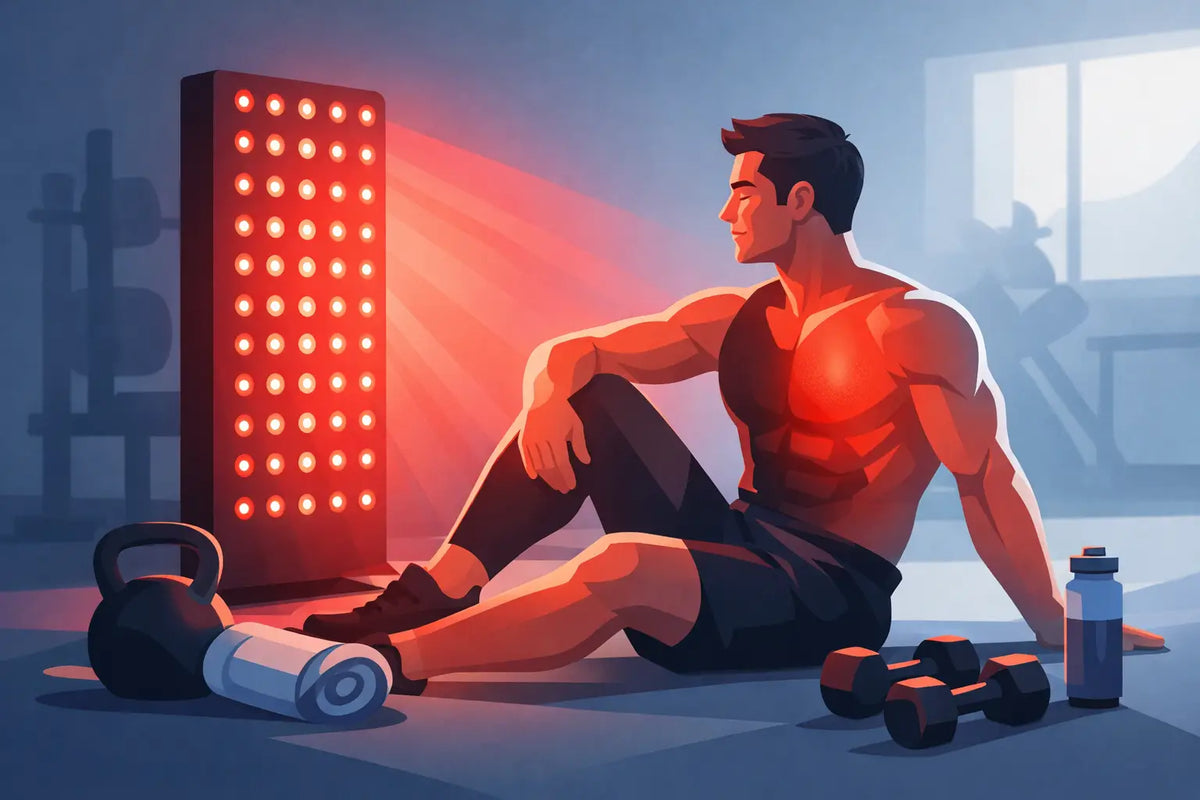
After training is the most natural starting point. A brief session directed toward the muscle groups you challenged can become a signal that the work is complete and restoration has begun. For example, a lower-body training day may call for exposure to the front and back of the legs on separate positions. After heavy pulling, the upper back, lats, and arms may be the priority.
Some people also use a session before activity. The goal is not to replace a warm-up, but to complement it before dynamic movement and progressive loading. Pre-training use may be especially appealing before a demanding event, long ride, or high-volume lifting session. Whether before or after training is better for you depends on your response, schedule, and the guidance provided for your specific device.
The most effective routine is usually the one you can repeat. Three to five short sessions per week may be more useful than occasional marathon sessions. If you are already rotating sauna, cold plunge, strength work, and mobility, red light can provide a quiet, efficient layer between those more demanding modalities.
The details that shape your session
Not every red light panel delivers the same experience. Premium equipment is designed around practical variables that influence how easily you can treat the body and how consistently you can use the device.
Coverage matters for active bodies
A compact panel can be a smart choice for targeted areas such as a shoulder, knee, elbow, or calf. For full-body recovery, a larger panel or modular setup reduces the need to reposition repeatedly. This is particularly valuable for people who train frequently, share a recovery space with a partner, or operate a performance facility where efficient client flow matters.
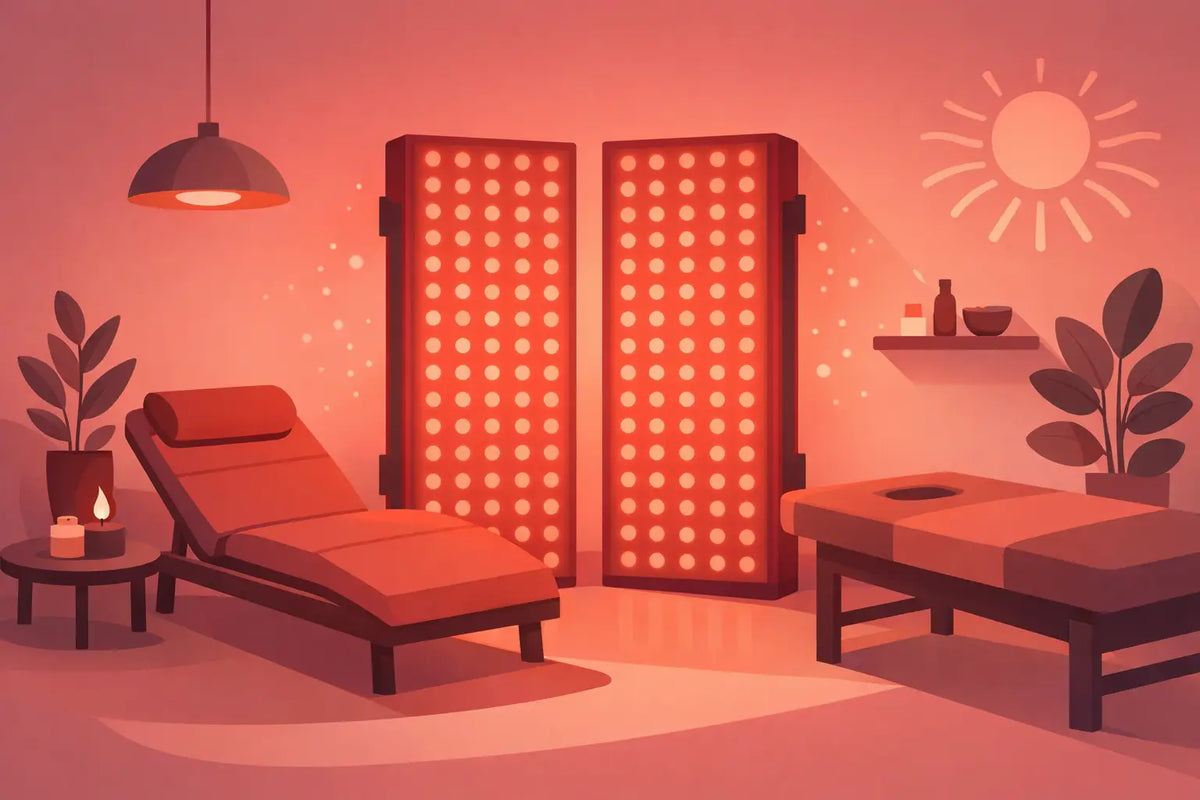
Consider the physical layout of your room as carefully as you consider the panel itself. A wall-mounted installation creates a clean, integrated look in a dedicated wellness room. A mobile stand offers flexibility for a home gym, bedroom, or treatment area. The best configuration is one that feels effortless to approach after a workout, not one that requires rearranging the room every time.
Distance, time, and output work together
More light is not automatically better. The amount of energy reaching the body depends on the panel's irradiance, the distance from the panel, and session duration. Device manufacturers typically provide recommended distances and treatment times, and those instructions should guide your starting point.
Standing closer may increase intensity but reduce the area covered. Standing farther away broadens coverage while lowering the amount of light delivered to a given point. For a large muscle group, a moderate distance and a manageable session often make more sense than pressing close to the panel for extended periods.
Start conservatively, especially if red light therapy is new to you. Use the recommended setting, note how your body responds over several weeks, and avoid assuming that doubling session length will double the benefit. Photobiomodulation can follow a dose-response curve in which an appropriate amount is more productive than excessive exposure.
Positioning should be simple
Expose the area you want to treat when practical, since heavy clothing can limit light reaching the skin. Keep your stance comfortable and change position only when needed to reach the other side of a muscle group. For a back-focused session, turn around midway. For legs, treat the front and back separately if your panel does not wrap around the body.
Eye protection deserves attention as well. Bright panels can be uncomfortable to look at directly. Follow the manufacturer's instructions regarding goggles and eye exposure, particularly when using a high-output panel near face level.
Build a recovery ritual, not a single session
The strongest home recovery spaces are designed around sequence. A red light panel can be the calm transition between exertion and the rest of your day, or the first element of a more complete evening ritual.
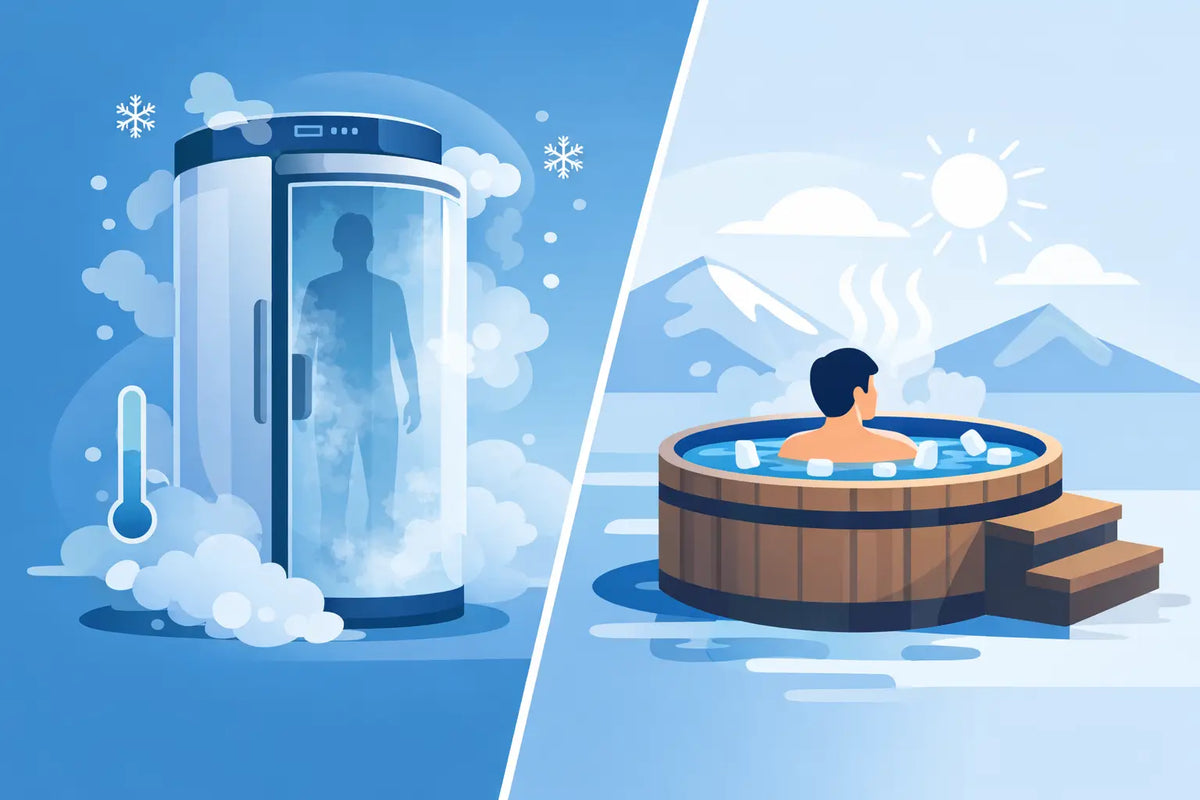
After an intense training day, you might begin with a red light session while your heart rate returns to baseline, then move into gentle mobility and a protein-rich meal. On a lower-intensity day, you may pair red light with breathwork or use it before an infrared sauna session. Cold immersion can be valuable in its own right, but timing is personal: frequent cold exposure immediately after every strength session may not suit someone whose primary goal is muscle-building adaptation. Your training goal should shape the order of your modalities.
This is also where a dedicated recovery environment changes behavior. When the panel, sauna, and mobility tools are already in your home or facility, recovery becomes part of the architecture of your week rather than another item to schedule. Corelux Wellness approaches this equipment as long-term wellness infrastructure: performance-focused, beautifully considered, and built to support the routines you return to.
What red light therapy cannot replace
A panel is not a cure for an injury, an answer to persistent pain, or permission to train through a problem that needs assessment. New swelling, sudden weakness, numbness, severe pain, or symptoms that do not improve deserve guidance from a qualified health professional.
It is also wise to speak with a clinician before use if you have a condition associated with light sensitivity, take photosensitizing medications, are receiving treatment for a medical condition, or have questions related to pregnancy. A quality device and sensible protocol are important, but they do not remove the need for personal medical judgment.
For healthy, active adults, the more realistic promise is steady support. You may notice that post-workout stiffness feels more manageable, that your routine feels more restorative, or that you are more inclined to protect recovery time because the experience is enjoyable and accessible. Those changes can be meaningful, even when they are not dramatic.
A red light panel works best when it reflects the way you actually live and train. Choose coverage that matches your body and space, follow a measured protocol, and give consistency enough time to matter. The result is not a shortcut around the work - it is a refined place to recover from it.