
Red Light Therapy Room Setup That Feels Intentional
A red light therapy room setup earns its place when it makes recovery easier to return to. The best spaces are not crowded with equipment or designed around a single trend. They create a private, comfortable setting where a few focused minutes can become part of your training, restoration, or evening wind-down routine.
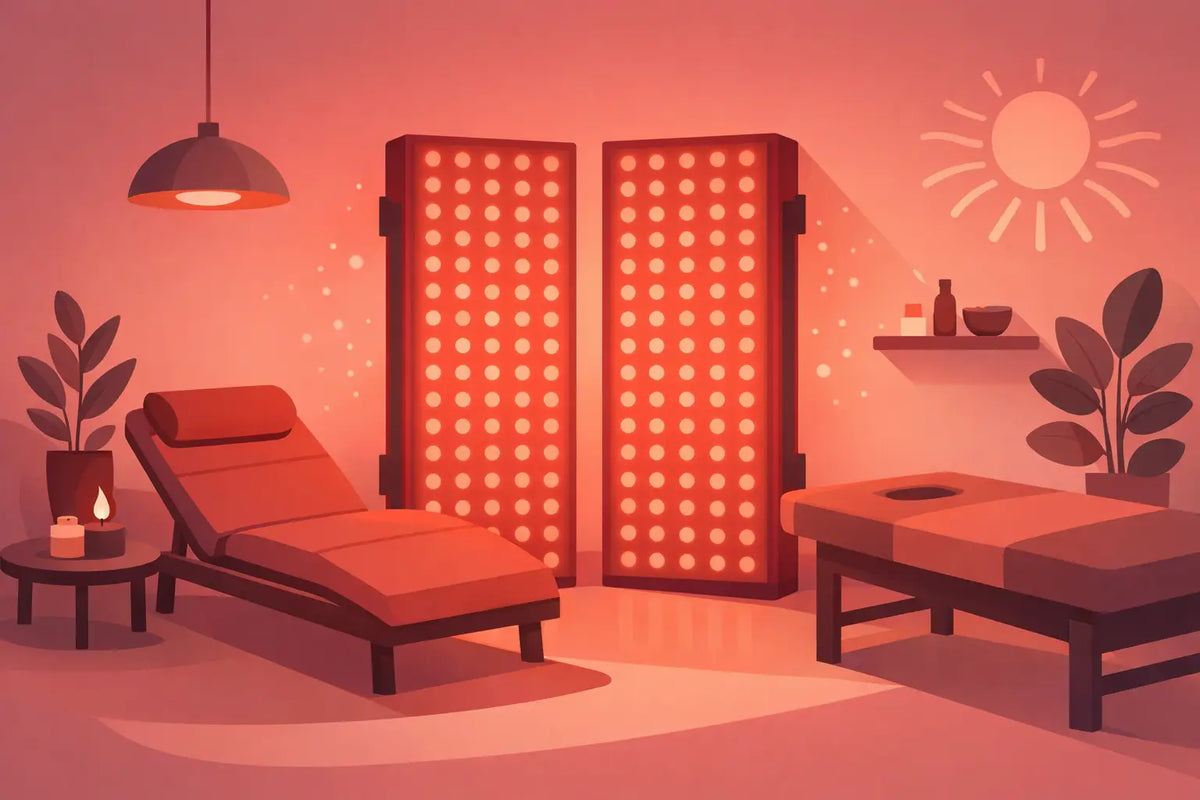
For a luxury home gym, dedicated wellness suite, athletic facility, or treatment room, the goal is simple: choose a location that supports consistent use, then design around the device’s coverage, clearance, and power requirements. A thoughtful plan also gives the room the calm, elevated presence expected from a true wellness sanctuary.
Start With the Routine, Not the Room Size
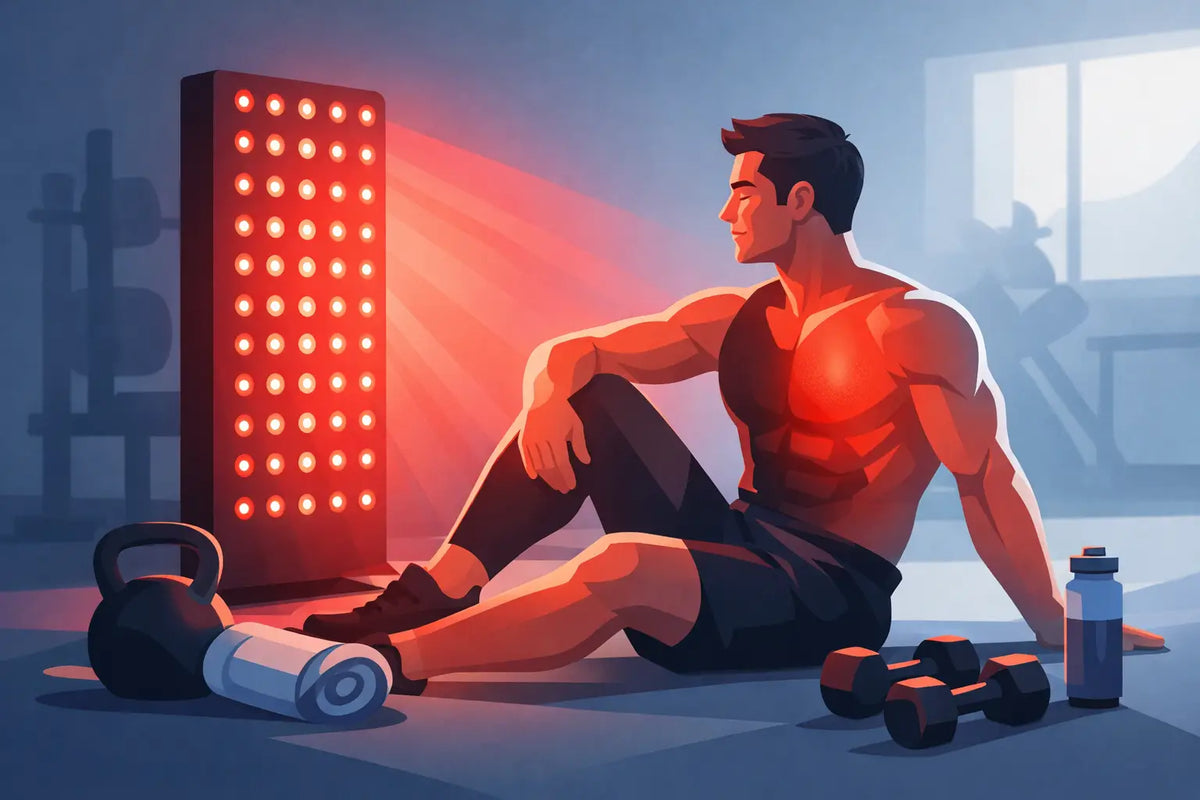
Before measuring walls, decide how the red light therapy device will be used. A serious athlete may want a full-body panel near a strength-training area for a post-workout recovery ritual. A homeowner may prefer a quieter room near the primary suite, sauna, or cold plunge. In a professional setting, privacy, turnover, and cleanable surfaces often matter as much as visual impact.
This decision shapes the right device format and placement. Smaller targeted units work well where the focus is flexibility and localized sessions. Larger panels and full-body systems are better suited to dedicated recovery zones, where users can stand or sit at a consistent distance and receive broad coverage without rearranging the room each time.
The room does not need to be large to feel premium. What it needs is enough usable floor area to move comfortably around the device, a clear position for the user, and a sense that the experience is deliberate rather than improvised. A spare bedroom, dressing room, finished basement, private corner of a training facility, or adjacent space near a sauna can all become strong candidates.
Measure for Your Red Light Therapy Room Setup
Dimensions on a product page are only the beginning. Account for the device itself, its stand or mounting hardware, the user’s treatment position, and a comfortable circulation path. If a panel is mounted to a wall, confirm that the wall construction can support the equipment and that the recommended mounting method fits the space. If it is on a rolling stand, plan for its footprint and the room needed to position it safely.
Leave enough open floor in front of the panel for the intended treatment distance. That distance varies by device, session goal, and manufacturer guidance, so the room should not force someone to stand uncomfortably close or across a walkway. In a shared fitness room, avoid placing the device where another person may regularly pass through the treatment area.
Ceiling height matters most for taller full-body devices and overhead mounting options. It also affects the room’s visual balance. A compact panel placed on an overly high wall can feel disconnected from the user, while a full-height system in a low-ceiling room may feel imposing. Tape out the proposed footprint on the floor and mark the panel height on the wall before making a final decision. This simple exercise often reveals better placement choices than a floor plan alone.
Choose a Location With Privacy and Calm
Red light therapy is most valuable when it becomes a repeatable ritual. That is harder to achieve in a room that is noisy, exposed, or constantly needed for another task. A location with a door, manageable foot traffic, and the ability to control lighting will usually serve the experience better than a prominent but busy hallway corner.
Privacy has a practical role, too. Many users prefer comfortable athletic wear, swimwear, or direct skin exposure in the treatment area, depending on their personal routine and device instructions. A dedicated room removes friction and creates a more relaxed experience for family members, clients, or athletes.
Natural light can be beautiful, but it is not a requirement. In fact, a room with adjustable shades often gives more flexibility. Blackout window treatments are not essential for red light therapy to function, yet they can make an early-morning or evening session feel more immersive and reduce glare from exterior light. For multipurpose spaces, layered window coverings preserve both privacy and polished design.
Plan Power, Ventilation, and Surface Materials Early
Premium recovery equipment deserves a proper electrical plan. Review the device’s voltage, outlet type, cord length, and power requirements before committing to a placement. Use a grounded outlet that is easy to access, and avoid relying on an extension cord unless the manufacturer specifically permits it. If the room will also house a sauna, cold plunge, or other high-demand equipment, consult a qualified electrician to determine whether dedicated circuits are appropriate.
Red light panels generally do not create the moisture demands of a steam room, but the surrounding environment still matters. Avoid positioning electronic equipment where it could be exposed to splashing from a cold plunge, excessive humidity, or direct water contact. If your recovery room combines multiple modalities, create clear zones rather than forcing every piece of equipment into the same compact footprint.
Choose surfaces that look elevated and are easy to maintain. Low-pile commercial-grade flooring, sealed wood, high-quality vinyl, tile, or finished concrete can all work well depending on the property and design direction. In a professional environment, materials should tolerate frequent cleaning. At home, a warm area rug placed outside the device’s required clearance can soften the room without complicating maintenance.
Create the Right Light Around the Light
The panel should be the visual focal point during a session, not one more competing source in an overlit room. Install dimmable ambient lighting so the room can shift from a bright, functional workout setting to a lower-light recovery environment. Warm white sconces, recessed fixtures on a dimmer, or indirect cove lighting can make the space feel considered without overpowering the red glow.
Avoid placing mirrors directly opposite a panel if reflected light feels distracting. Mirrors can be useful in a fitness room and may help users check posture or positioning, but their placement should support the experience rather than multiply visual stimulation. Matte wall finishes, textured plaster, natural wood accents, and darker neutral tones often pair especially well with the clean geometry of a premium red light device.
Color choice is personal, but restraint tends to age well. Soft charcoal, warm taupe, deep olive, sand, and natural oak create a grounded backdrop that lets the equipment look architectural rather than clinical. A high-end red light therapy room should feel like an extension of the home or facility, not a storage area for wellness technology.
Furnish for Comfort Without Adding Clutter
A standing treatment area may need very little furniture. A slim bench, a small towel cabinet, and a discreet surface for glasses, a phone, or water may be enough. For users who prefer seated sessions, choose a stable chair or bench that allows straightforward positioning and does not block access to the panel.
Keep storage purposeful. Closed cabinetry can hold eye protection, cleaning supplies, towels, device manuals, and accessories while preserving a calm visual field. In a facility, a compact sanitation station and clearly organized supplies help the room feel professional. In a residence, a few thoughtful touches - fresh towels, a water carafe, and an easy-to-clean hamper - can make the routine feel effortless.
Do not overcrowd the room with every available recovery tool. A red light panel beside a sauna or cold plunge can create an exceptional contrast-therapy suite, but only when there is adequate clearance, ventilation, and safe separation between dry electrical equipment and water. If space is limited, build the room around one primary modality and allow the rest of the recovery experience to live nearby.
Make Safety and Consistency Part of the Design
Follow the manufacturer’s instructions for session duration, distance, eye protection, cleaning, ventilation, and installation. Some devices include specific guidance on whether protective eyewear is recommended or required. Place those items where they are easy to reach, not in a drawer across the room.
For home users, a timer, simple session card, or small wall-mounted instruction plaque can eliminate guesswork. For studios and performance facilities, clear operating procedures protect the equipment and help every client receive a consistent experience. People with medical conditions, light sensitivity, or questions about medications should consult an appropriate healthcare professional before beginning a new light-based wellness routine.
Your room should also support the habits that make a wellness investment worthwhile. Put the device where it is visible enough to invite use, but protected enough to feel personal. Schedule sessions around existing anchors such as a morning workout, post-training cooldown, or evening sauna ritual. The more naturally the space fits your life, the more value it can deliver over time.
A refined recovery room is not defined by how much equipment it holds. It is defined by how confidently it supports the person using it. With the right device, proper clearances, thoughtful lighting, and a calm place to return to, your red light therapy space can become one of the most rewarding rooms in the home or facility.