
Top Recovery Tools for Athletes Who Train Hard
A hard training session does not end when the last rep is complete. The next few hours shape how prepared your body feels for tomorrow’s run, lift, practice, or competition. The top recovery tools for athletes bring intentional restoration into that window, making it easier to build a routine that supports consistency rather than leaving recovery to chance.
For serious athletes and performance-minded households, the right equipment is not about collecting wellness trends. It is about creating a private, dependable space for decompression, circulation support, muscle comfort, and better training habits. The best choice depends on how you train, how much room you have, and whether you want a single high-impact modality or a complete recovery environment.
Top Recovery Tools for Athletes: Start With Your Training Needs
A useful recovery setup begins with an honest look at your workload. Endurance athletes often prioritize leg relief, relaxation, and a repeatable post-training ritual. Strength athletes may want options that complement mobility work and support a feeling of readiness between demanding sessions. Teams, studios, and performance facilities need durable equipment that can serve multiple users without disrupting the flow of the space.
Recovery tools are not replacements for sleep, adequate nutrition, hydration, sensible programming, or medical guidance when pain is persistent or acute. They work best as part of a larger standard of care. A premium recovery room should make beneficial habits more convenient, not promise a shortcut around the fundamentals.
Cold Plunge Systems for Post-Training Reset
Cold-water immersion is one of the most recognized recovery practices in modern athletic culture. A cold plunge offers a focused, invigorating ritual after demanding training, competition, or heat exposure. Many athletes value the immediate feeling of refreshment and the mental discipline that comes with a controlled cold session.
The appeal is practical as well as experiential. A dedicated plunge system gives you consistent water temperatures and eliminates the hassle of filling tubs with ice. For a home gym or luxury wellness space, that reliability turns an occasional recovery practice into a routine you are more likely to keep.
Timing matters. Athletes whose primary goal is muscle growth may choose to avoid making intense cold immersion an automatic immediate post-lift habit, particularly after every strength session. In that case, using cold water after conditioning, on rest days, or several hours away from lifting can be a more thoughtful approach. Your training priorities should guide the protocol.
When evaluating a cold plunge, consider the footprint, water capacity, filtration, sanitation requirements, electrical needs, and whether the system can maintain your preferred temperature in your climate. An elegant exterior is valuable, but daily maintenance and placement logistics matter just as much.
Infrared and Traditional Saunas for Deep Relaxation
A sauna creates a different kind of recovery experience: quiet, warmth, and deliberate separation from the pace of the day. Traditional saunas deliver high ambient heat, while infrared saunas use radiant heat to create a gentler-feeling session at lower air temperatures. Both can have a place in an athlete’s routine, especially when relaxation and post-training decompression are the goals.
For many people, sauna time becomes an anchor habit. It creates room to slow the breath, step away from screens, and transition from high output to recovery mode. That can be especially valuable for executives and competitive athletes balancing a full calendar with demanding physical goals.
The decision between infrared and traditional sauna is largely personal. Traditional sauna enthusiasts often prefer the classic high-heat experience and optional steam from water on stones. Infrared may suit those who want a more gradual, accessible heat session or plan to use the space frequently. Cabin dimensions, wood quality, electrical requirements, ventilation, and available ceiling height should all be addressed before purchase.
Heat changes fluid needs, so hydration deserves attention before and after each session. Athletes should also avoid pushing through dizziness, illness, or unusual fatigue. The goal is restoration, not proving endurance in the recovery room.
Red Light Therapy for a Consistent At-Home Ritual
Red light therapy has earned a place in premium wellness spaces because it is efficient, noninvasive, and easy to incorporate into a regular schedule. Devices use specific wavelengths of red and near-infrared light, and athletes often build sessions around training blocks, mobility work, or evening wind-down routines.
Its greatest advantage is consistency. Unlike a long soak or a sauna session, a red light session can fit into a focused part of the day without much preparation. The experience is quiet and low-friction, which helps it complement a recovery plan built around repeatable habits.
Quality matters here. Look beyond broad claims and focus on the device’s intended treatment area, output, construction, controls, session guidance, and placement options. A full-body panel may make sense for a dedicated wellness room, while a more compact unit can be an excellent fit for targeted use in a home gym or training studio.
Compression and Mobility Tools Still Earn Their Place
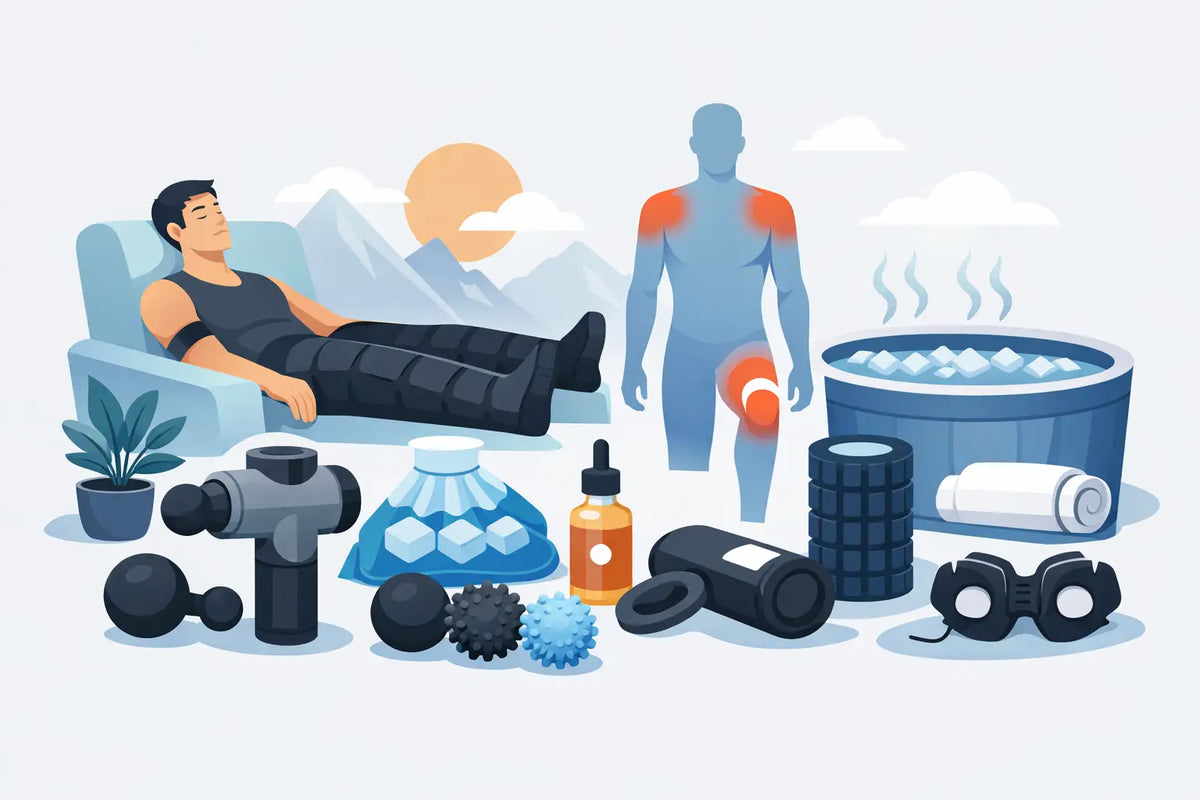
Not every effective recovery tool requires a permanent installation. Compression boots, percussion devices, mobility systems, and simple floor space for controlled stretching can be valuable additions to a complete setup. They are particularly useful for travel, between-session use, and athletes who benefit from a shorter recovery ritual on busy days.
These tools work well because they lower the barrier to doing something constructive after training. Ten focused minutes with compression or mobility work may be more realistic on a weekday than a longer session in the sauna. They also pair naturally with larger equipment, allowing your recovery room to support both quick resets and more immersive sessions.
Still, portable tools have limits. They should be selected for comfort, build quality, ease of cleaning, and the way they fit your actual routine, not because they promise dramatic results. The most effective equipment is the equipment you will use correctly and consistently.
Hyperbaric Oxygen Therapy for a Dedicated Wellness Space
Hyperbaric oxygen therapy chambers are a more specialized consideration for athletes and wellness-focused households building a comprehensive recovery environment. The experience is designed around pressurized oxygen delivery, and it requires a greater level of planning than most at-home modalities. Space, installation, operating procedures, and appropriate professional guidance are central to the decision.
For the right buyer, a hyperbaric chamber can be a distinctive centerpiece within a private wellness suite or professional performance setting. It is best approached as a long-term investment rather than an impulse addition. Consult a qualified healthcare professional to determine whether this modality is appropriate for your personal circumstances, especially if you have medical conditions or concerns.
Build a Recovery Room That Fits Real Life
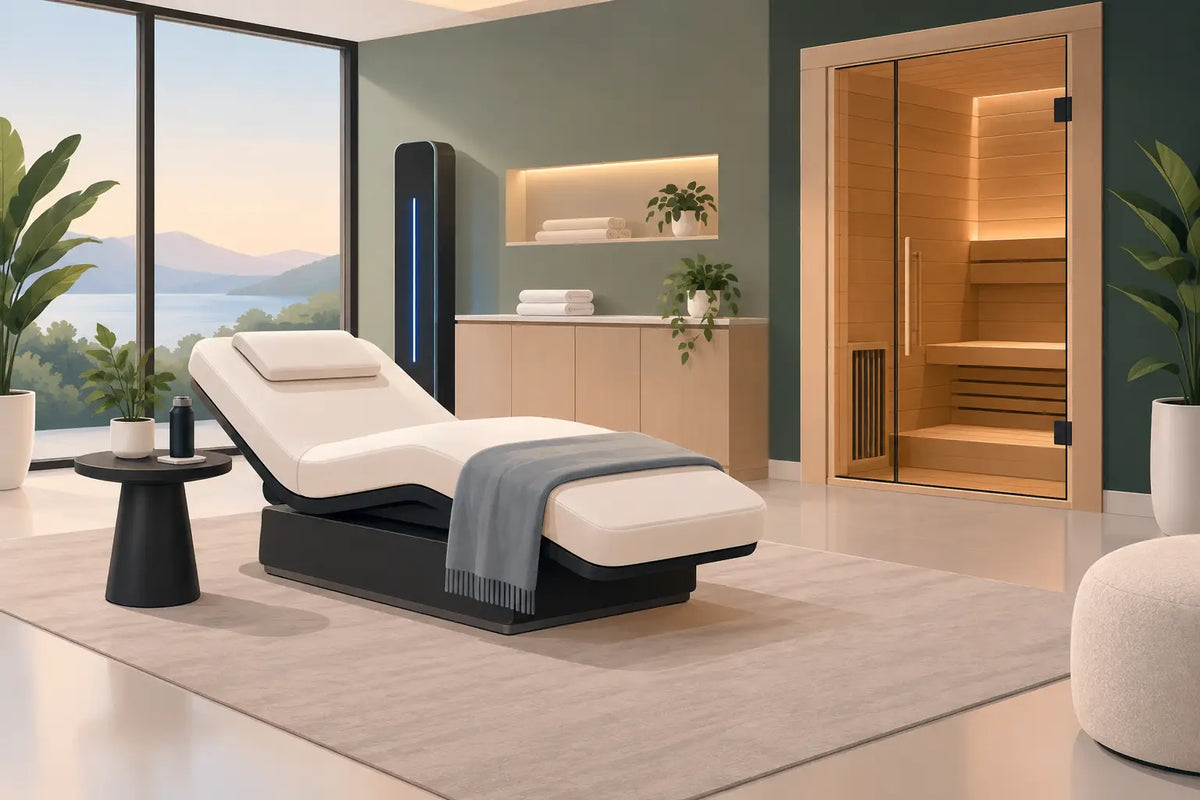
The most refined recovery spaces are designed around flow. A cold plunge may sit near a shower or changing area. A sauna needs clear access, appropriate flooring, and thoughtful ventilation. Red light therapy benefits from a calm, uncluttered location where sessions feel easy to repeat. Small design choices determine whether a room feels like a sanctuary or another space that goes unused.
Start with one primary modality that solves your most immediate need. A runner training through a hot summer may choose a cold plunge. Someone seeking a nightly relaxation practice may begin with a sauna. A household with varied schedules may prioritize red light therapy because it is fast and flexible. From there, add complementary equipment as your habits become established.
Professional spaces should think beyond square footage. Consider member throughput, privacy, cleaning procedures, equipment durability, electrical capacity, accessibility, and how the recovery area reflects the quality of the overall facility. A well-planned recovery zone can become a meaningful reason clients return.
At Corelux Wellness, equipment selection is approached as a fit decision, not a one-size-fits-all purchase. Dimensions, setup requirements, and the intended experience deserve as much consideration as the modality itself. A thoughtful conversation before buying can protect the value of a significant investment.
The strongest recovery routine is not necessarily the most elaborate one. It is the one that gives you a credible reason to step away from the strain of training, care for your body with intention, and return ready to perform again.